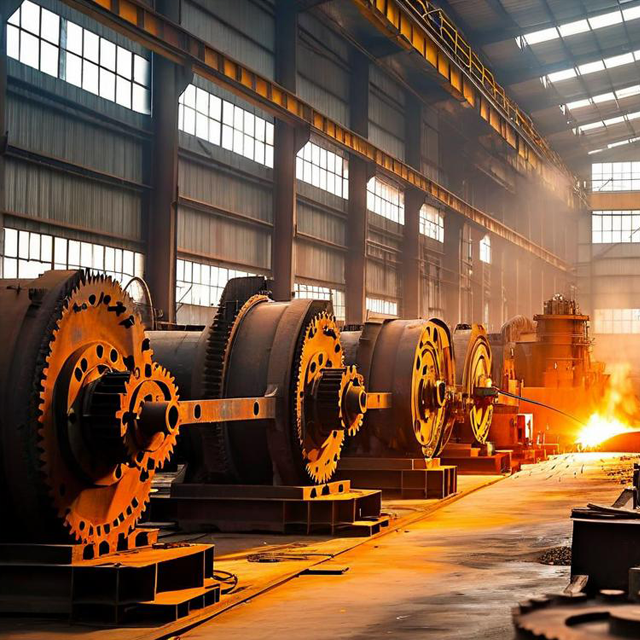
01 // Role in Industrial Growth

Architect of India's Industrial Revolution

When Walchand Hirachand began his entrepreneurial journey in the early 1900s, India was an agrarian economy entirely dependent on British manufactured goods. Indian raw materials were shipped to Britain, processed there, and sold back to India at exorbitant prices. Walchand saw this cycle of exploitation and resolved to break it.

His approach was systematic and strategic. Rather than building factories that replicated existing British industries, he identified the sectors where India was most critically dependent on foreign powers — shipping, aviation, and automobiles — and built enterprises specifically to challenge those dependencies.

The impact was transformative. By demonstrating that Indian companies could build ships, manufacture aircraft, and produce cars, Walchand shattered the colonial myth that Indians were incapable of industrial enterprise. His success inspired a generation of Indian entrepreneurs to think bigger and dream bolder.

His industrial philosophy was deeply intertwined with the broader national movement. He believed that political independence without economic independence was meaningless — that India could only be truly free when it manufactured its own goods, employed its own people, and competed on its own terms.
Abstract industrial illustration representing India's emerging industrial landscape and economic independence
🇮🇳

Economic Sovereignty

Every factory Walchand built was a statement: India could manufacture, India could innovate, India could compete. Economic sovereignty was his true mission.

Abstract illustration of the Swadeshi movement and Indian economic independence struggle

Defying the Raj

Walchand repeatedly clashed with British authorities who attempted to suppress Indian industrial ambitions. He never backed down.

🤝

Uniting Industry

He rallied fellow Indian businessmen to invest in domestic enterprise, creating a network of indigenous industries.

02 // Pre-Independence Contributions

Fighting for Freedom Through Industry

Walchand Hirachand's contributions to India's freedom struggle were unique — he fought not with protests and petitions, but with factories and shipyards. His weapon was enterprise; his battlefield was the marketplace.

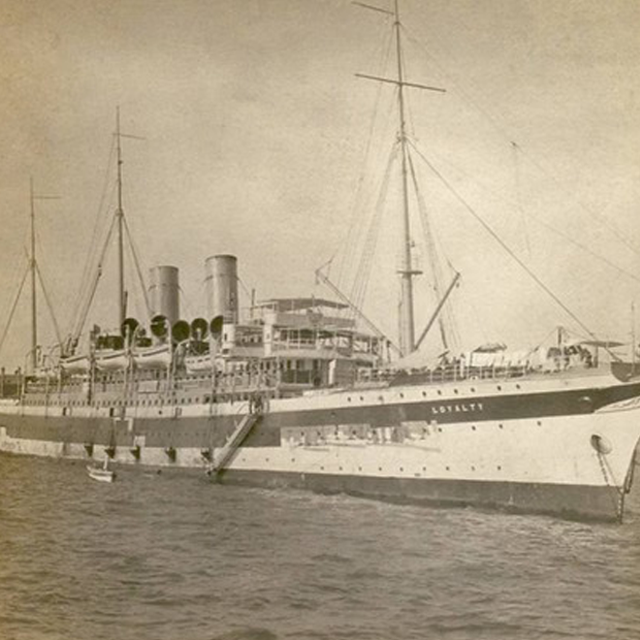
The founding of Scindia Steam Navigation in 1919 was a direct challenge to British shipping monopolies. When the British-controlled shipping conferences attempted to drive him out of business through predatory pricing, Walchand responded with determination and strategic brilliance, eventually forcing the British to recognize Indian shipping rights.

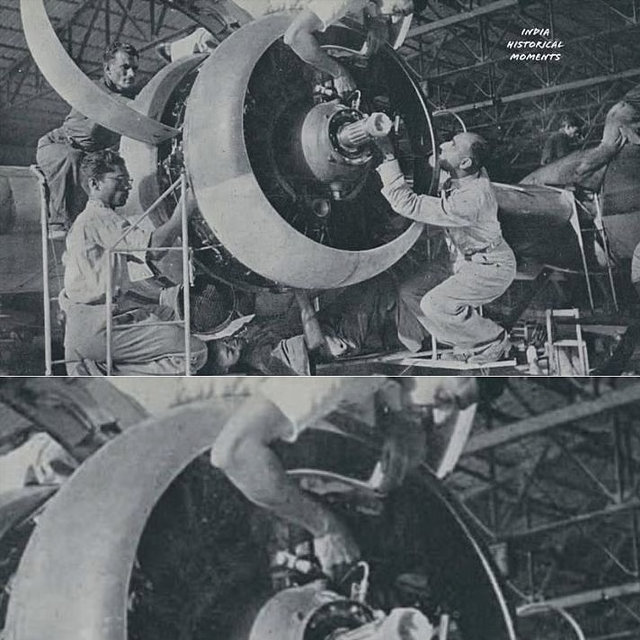
During World War II, when the British government needed aircraft manufactured in India, it was Walchand's Hindustan Aircraft factory that served the purpose. Ironically, the colonial power that had suppressed Indian industry was forced to rely on an Indian entrepreneur's factory for its war effort.

Walchand maintained close ties with leaders of the independence movement, including Mahatma Gandhi and Jawaharlal Nehru. He understood that political and economic freedom were two sides of the same coin, and worked tirelessly to ensure that an independent India would have the industrial capacity to sustain itself.

  • Challenged British shipping conferences and monopolies
  • Provided industrial capacity during WWII through Hindustan Aircraft
  • Maintained relationships with independence movement leaders
  • Advocated for industrial policy in an independent India
  • His enterprises provided employment to thousands of Indians
03 // Infrastructure Development

Building the Physical Nation

Through his construction ventures, Walchand literally built the roads, railways, dams, and bridges that connected India and powered its development.

Walchand's Hindustan Construction Company (HCC) undertook some of the most ambitious infrastructure projects in Indian history. At a time when most large-scale construction was handled by British engineering firms, HCC proved that Indian companies possessed the technical expertise and organizational capability to build world-class infrastructure.

The company's portfolio included major railway projects, highway construction through the challenging terrain of the Western Ghats, bridges spanning India's great rivers, and dam projects that provided vital irrigation and hydroelectric power to rural communities.

These infrastructure projects did more than connect cities — they connected communities, enabled trade, and powered economic development in regions that had been neglected by colonial administration. Every road, every railway line, every dam was a brick in the foundation of modern India.

Blueprint illustration of major infrastructure projects — dams, railways, and bridges built by Walchand Group
🚂

Railways

Built major railway lines that connected India's industrial centers to its ports and agricultural hinterlands, enabling trade and commerce at a national scale.

🌊

Dams & Irrigation

Engineered dam and canal projects that brought water and electricity to millions, transforming arid regions into fertile farmland and powering industrial growth.

🛣

Roads & Highways

Constructed roads through some of India's most challenging terrain, including the Western Ghats, connecting remote communities to the national economy.

"A nation's greatness is measured not by its speeches, but by its ships, its factories, and its roads. Walchand built all three."

— Tribute to Indian Industrialism